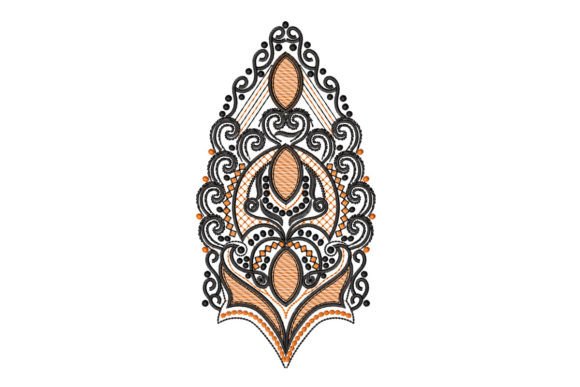
Reviewing the Floral Christmas Tree Design
As a designer who has spent countless hours digitizing patterns and testing them on various machines, I approach every new machine embroidery design with a mix of curiosity and skepticism. We have all seen the flood of holiday motifs that clutter digital marketplaces each November. Most are generic, overly dense, or lack the nuance required for a professional finished product. However, when I loaded the Floral Christmas Tree into my software, the immediate visual balance caught my attention. It is not just another pine tree; it is a stylized interpretation that blends traditional holiday symbolism with a softer, botanical aesthetic.
This review is written from the perspective of someone who needs to know if a design will hold up in real-world applications. I am not looking at this merely as a pretty picture on a screen. I am evaluating it as a potential asset for client projects, Etsy seller inventories, and personal handmade product lines. If you are a creative entrepreneur or a hobbyist looking to elevate your holiday embroidery offerings, here is my practical assessment of how this design performs under the needle.
First Impressions and Visual Mood
The first thing you notice about the Floral Christmas Tree is its departure from rigid geometric symmetry. Traditional tree designs often rely on heavy fill stitch blocks that can look stiff and plasticky once stitched out. This design, by contrast, utilizes a more organic layout. It suggests the shape of a tree through floral elements rather than forcing a literal pine silhouette. This creates a mood that is peaceful and inviting, aligning perfectly with the description of adding a touch of personality to fabric.
For a designer, this openness is crucial. It allows the texture of the underlying fabric texture to breathe. When you are working with high-quality linen or soft cotton blends, you do not want a design that completely suffocates the material. The visual personality here is elegant and understated. It feels less like a loud holiday declaration and more like a subtle seasonal nod. This makes it versatile for customers who prefer minimalist decor over maximalist festive cheer.
Real-World Application: The Tote Bag Test
To truly understand the viability of any embroidery file, you must imagine it on a specific product. I recently worked on a custom order for a boutique client who wanted a line of reusable shopping bags for their December pop-up shop. The Floral Christmas Tree was an ideal candidate for this tote bag design project.
I placed the design on a natural canvas tote. Because the motif is not overly dense, it did not cause the fabric to pucker excessively, provided I used the correct stabilizer. The result was a sophisticated small shop product that felt high-end. Customers were drawn to it because it looked like a piece of art rather than a mass-produced graphic. This is the key value proposition of this design: it elevates the perceived value of the item. Whether you are creating a personalized gift for a friend or stocking your online store, the design lends an air of professionalism and thoughtful curation.
Versatility Across Product Lines
Beyond tote bags, I see strong potential for this design in several other categories. For sweatshirt embroidery, the floral elements provide a nice contrast to the fuzzy texture of fleece or French terry. It works well as a chest pocket accent or a larger back print. For baby embroidery, the soft curves and lack of aggressive, sharp points make it suitable for nursery decor, such as pillow covers or blanket corners. It avoids the harshness of some traditional holiday icons, making it appropriate for delicate items.
If you are an appliqué design enthusiast, you might consider adapting this concept by using fabric scraps for the floral components, though you should check the specific file structure to see if it is pre-digitized for appliqué or if it relies on satin stitch and running stitch outlines. For those selling custom apparel, this design pairs beautifully with monograms. Imagine the tree centered with a family name arched beneath it in a complementary script font. This combination creates a highly sellable commercial embroidery asset for the holiday rush.
Technical Considerations and Stitching Advice
While the design is described as quick and easy, "easy" in embroidery always comes with caveats. Here are the technical aspects you must consider before hitting the start button on your machine.
- Hoop Size and Placement: Always confirm the dimensions of the design against your available hoop size. While it is likely optimized for standard hoops, placing it on curved surfaces like caps requires careful positioning to avoid distortion. If you are stitching on a embroidered patch, ensure the edges are clean and the density is sufficient to prevent fraying.
- Thread Colors and Contrast: The success of this design hinges on your choice of thread colors. Since it is a floral interpretation, you have creative freedom. However, avoid low-contrast combinations on busy fabrics. Test it in black and white mockups first to ensure the shape remains distinct. On dark fabrics, use lighter, metallic, or variegated threads to make the details pop.
- Stitch Density and Fabric Choice: Be cautious with thin or stretchy fabrics. Even a "light" design can cause puckering if the stitch density is too high for the material weight. Always test on scrap fabric first. For stretchy knits, use a cut-away stabilizer. For woven linens, a tear-away may suffice, but hooping technique is critical.
- Detail Clarity: Inspect the small details. Floral elements can sometimes get lost if the stitches are too long or if the thread tension is off. Adjust your tension settings based on your thread type. Polyester threads behave differently than rayon or cotton, affecting the final look of the design assets.
Commercial Viability and Brand Consistency
For craft business owners, consistency is key. The Floral Christmas Tree offers a cohesive look that can be integrated into a broader brand identity. It does not scream "discount holiday decor"; instead, it whispers "artisan quality." This distinction is vital for building customer trust and engagement. When buyers see a well-executed, unique design, they are more likely to perceive the item as a valuable personalized gift worth the price point.
Furthermore, this design is excellent for creating printable mockup materials for your online listings. Because the shape is recognizable yet artistic, it photographs well. You can showcase it on various backgrounds to appeal to different segments of your audience. Whether you are a digital embroidery file seller or a maker of physical goods, having a versatile, high-quality tree design in your library is an investment in your product range.
Final Verdict for Designers
In conclusion, the Floral Christmas Tree is a standout addition to any holiday collection. It bridges the gap between traditional festivity and modern botanical trends. It is not just a design; it is a tool for creating meaningful connections with customers through beautiful, tactile objects. Remember to check the specific license terms before selling finished product items or distributing the digital embroidery file itself. Always prioritize testing on your specific machine and fabric combinations to ensure the best results. With proper execution, this design can help make your Christmas season both peaceful and profitable.