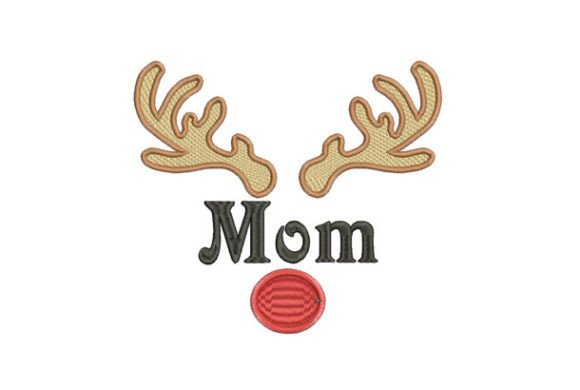
Reviewing Christmas Family Mom for Real Projects
As a designer who spends more time staring at stitch maps than actual fabric, I have learned that the difference between a charming handmade item and a frustrating mess often comes down to the source file. When I first loaded Christmas Family Mom into my editing software, I was looking for more than just cute aesthetics. I wanted to know if this design could hold up under the pressure of real-world production. Whether you are an Etsy seller preparing for the holiday rush or a hobbyist making personalized gifts, the viability of a machine embroidery design depends on its technical execution as much as its visual appeal.
First Impressions and Visual Personality
The immediate mood of Christmas Family Mom is warm, nostalgic, and inviting. It avoids the overly complex details that often plague holiday designs, opting instead for a clean, readable layout. This simplicity is a strength. In the world of embroidery, less is often more, especially when working with textured fabrics like sweaters or fleece. The design creates a soft visual personality that feels appropriate for family-oriented products. It does not scream for attention; rather, it invites a closer look, which is exactly what you want in a personalized gift.
From a compositional standpoint, the balance between the graphical elements and any text components appears well-considered. For a designer, this means the risk of distortion during stitching is lower. Complex, sprawling designs often pull fabric out of shape, but this compact arrangement suggests stability. It feels like it belongs on items that are meant to be cozy and cherished, such as pajamas, scarves, or home decor accents.
Real-World Application: The Sweatshirt Test
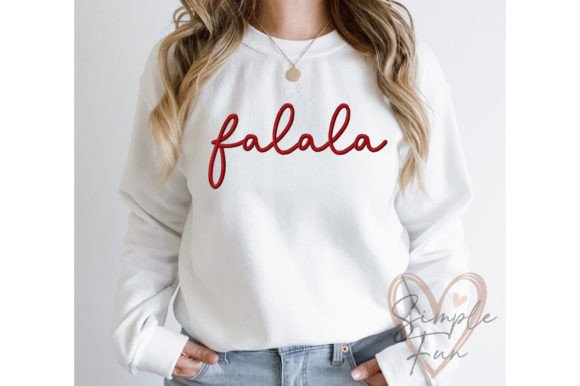
To truly evaluate an embroidery file, you must imagine it on a finished product. I envisioned using Christmas Family Mom on a custom sweatshirt for a client’s family photo session. This is a common request for small shop owners and craft business operators. The design’s scale seemed ideal for the left chest area or centered on the upper back.
When stitching on knit fabrics, stitch density is critical. If the design is too dense, the fabric will pucker and the garment will feel stiff. If it is too light, the underlying fabric color may show through, ruining the contrast. Based on the visual weight of this design, it appears to use a balanced mix of fill stitches and satin stitches. This balance is crucial for sweatshirt embroidery, where comfort is just as important as appearance. A heavy, dense design would make the chest area rigid and uncomfortable, but this design looks breathable and flexible.
Beyond apparel, I can see this working beautifully on a tote bag design. Canvas totes are popular holiday gifts, and a clean, festive motif adds significant value to a simple blank product. The design’s clarity ensures it remains legible even from a distance, which is essential for wearable art or accessories.
Navigating Fabric and Hoop Constraints
While Christmas Family Mom is versatile, it is not universal. Experienced embroidery designers know that every fabric texture reacts differently to thread. For instance, stitching this on a thin, stretchy fabric like a lightweight t-shirt requires careful attention to stabilizer choice. Without a proper cut-away stabilizer, the tension from the stitches could cause the fabric to warp permanently.
Similarly, consider the hoop size. Although the description mentions multiple formats, you must verify the specific dimensions before starting. If you are attempting to place this on a curved surface like a cap, ensure the design height fits within the usable area of your cap frame. Curved surfaces distort designs easily, so a layout that is too wide or tall may look stretched or compressed once stitched.
Dark fabrics present another challenge. If you are stitching this on a navy or black garment, you must check thread colors carefully. Light threads on dark fabric require an underlay stitch to prevent the background from peeking through. Review the stitch sequence in your software to ensure there is adequate coverage. If the design relies heavily on running stitch for outlines, it may not provide enough opacity on dark textiles without additional underlay adjustments.
Commercial Viability and Brand Consistency
For Etsy sellers and boutique owners, consistency is key to building trust. A design like Christmas Family Mom offers a professional look that enhances brand perception. It does not look like a generic clip-art conversion; it looks like a purpose-built embroidery asset. This distinction matters to buyers who are increasingly savvy about the quality of handmade products.
Using this design in your commercial embroidery projects can streamline your workflow. Because it appears straightforward to stitch, it likely has fewer thread breaks and shorter run times compared to highly detailed competitors. This efficiency translates to better profit margins for small business owners. Furthermore, the timeless nature of the theme means it is not tied to a specific year, allowing you to sell it as a staple holiday item rather than a fleeting trend.
However, always confirm licensing terms before selling finished items or digital products. While many designs allow for commercial use of physical goods, restrictions on reselling the digital embroidery file itself are standard. Protect your business by reading the license agreement included with your purchase.
Practical Designer Notes for Best Results
Before committing to a full production run, follow these practical steps to ensure success with Christmas Family Mom:
- Test on Scrap Fabric: Always stitch a sample on the same type of fabric you intend to use for the final product. This reveals issues with tension, density, and color contrast.
- Check Thread Contrast: View your design in black and white on your computer screen. If the elements blend together in grayscale, they will lack definition when stitched. Adjust thread colors to ensure high visibility.
- Inspect Small Details: Zoom in on the smallest parts of the design. If there are tiny lettering or intricate corners, ensure they are large enough to stitch cleanly. Tiny details often get lost or become tangled knots.
- Verify Hoop Size: Confirm that the design fits comfortably within your hoop with at least an inch of margin on all sides. This prevents the presser foot from hitting the hoop during stitching.
- Use Proper Stabilizer: Match your stabilizer to your fabric. Use cut-away for knits and tear-away for wovens. For difficult fabrics like towels or fleece, consider using a water-soluble topping to keep stitches from sinking into the pile.
- Review Stitch Density: If possible, open the file in your embroidery software to check the density. If it looks too solid, consider reducing the density slightly to improve drape and reduce puckering.
Final Thoughts on Design Utility
In the end, Christmas Family Mom strikes a commendable balance between charm and practicality. It is a design that respects the limitations of embroidery machines while delivering a heartfelt message. For makers who value both aesthetic appeal and technical reliability, this file represents a solid addition to their library. It is not just about creating a pretty picture; it is about creating a durable, high-quality finished product that brings joy to the recipient. By approaching this design with a critical eye and proper preparation, you can ensure that your holiday embroidery projects stand out for their professionalism and warmth.