Pretty Cat: A Designer’s Review for Real Projects
As a designer who spends more time staring at stitch simulations than actual fabric, I have learned that not every cute graphic translates well into thread. We have all been there: you find an adorable digital file, imagine it perfectly centered on a boutique tote bag, and then watch in horror as the machine turns your vision into a puckered mess. That is why I approach every new machine embroidery design with a mix of optimism and skepticism. Today, I am taking a close look at Pretty Cat, a design that promises to give fabrics an extraordinary look. I want to know if it holds up under the needle, especially for those of us running small shops or creating personalized gifts.
First Impressions: Mood and Visual Personality
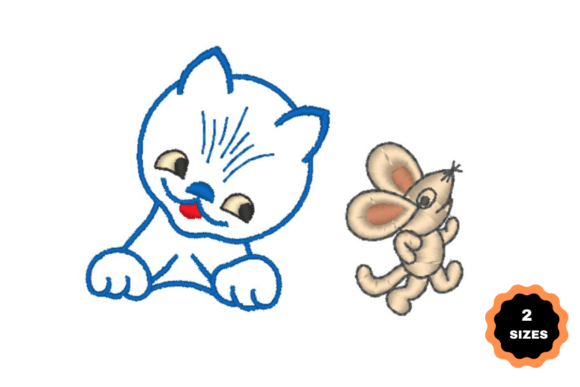
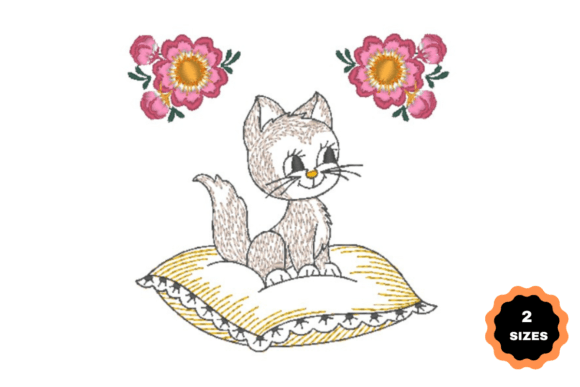
The first thing that strikes me about Pretty Cat is its approachable charm. It does not try to be overly complex or hyper-realistic, which is often a trap for beginner-friendly designs. Instead, it leans into a stylized, friendly aesthetic that feels right at home in the world of Cats themed decor. The layout appears balanced, avoiding the heavy, dense blocks of stitching that can stiffen lightweight fabrics. For an embroidery project intended to add a nice accent rather than dominate the garment, this restraint is crucial.
The visual personality here is soft and inviting. It creates a mood of comfort and whimsy, making it an ideal candidate for items meant to bring joy. Whether you are designing for a nursery or a cozy kitchen, the theme resonates with buyers looking for warmth. However, a pretty picture on a screen is not enough. We need to talk about how this design behaves when it hits the hoop.
Real-World Application: From Screen to Stitch
To truly evaluate Pretty Cat, I imagined a specific real-life scenario: preparing a custom order for a local boutique. The client wanted a set of canvas tote bags and matching aprons for a pet-themed gift shop. This is a common request for any Etsy seller or craft business owner. The question was, would this design hold its own on sturdy canvas without looking lost, and would it survive the wash cycle on a cotton apron?
For the tote bag design, the scale of Pretty Cat works well. It is large enough to be recognized from a distance but detailed enough to reward closer inspection. When stitched out, the lines remained crisp. The design does not rely on tiny, fragile details that might break or fray after repeated use. This durability is essential for a finished product that claims to be high-quality. If you are selling small shop products, reliability is just as important as aesthetics. Customers trust items that look professional and last.
I also considered its use in sweatshirt embroidery. Here, the texture of the fabric plays a huge role. Fleece and heavy cotton blends can swallow up fine details. Because Pretty Cat uses clear, defined shapes, it stands out nicely against the plush background. It avoids the "muddy" look that happens when a design has too many overlapping colors or insufficient contrast. For a personalized gift, such as a child’s hoodie or a cat lover’s pullover, this clarity ensures the recipient immediately recognizes the subject.
Navigating Fabric Challenges and Hoop Constraints
While Pretty Cat is versatile, it is not without its limitations. As an experienced reviewer, I must point out where caution is needed. The description notes that this embroidery file comes with multiple sizes, which is a significant advantage. However, you must match the size to your hoop size and fabric type carefully.
If you are working with thin or stretchy fabrics, such as jersey knits for baby embroidery projects, you cannot skip the prep work. Even a well-digitized design can cause puckering if the stabilizer is incorrect. I recommend using a cut-away stabilizer for garments that will be washed frequently, like t-shirts and baby onesies. For decorative items like pillow covers that see less wear, a tear-away might suffice, but always test on scrap fabric first.
Another consideration is thread colors. The design likely relies on subtle shifts in tone to create depth. On dark fabrics, you may need to adjust your thread palette to ensure the cat does not disappear into the background. High-contrast threads can make the design pop, but they might change the intended soft mood. I suggest creating a printable mockup or doing a quick test stitch in black and white to check the silhouette before committing to your final color scheme.
Details Matter: Stitch Types and Density
Looking closely at the structure, Pretty Cat seems to utilize a mix of fill stitch for the body and satin stitch or running stitch for outlines and facial features. This combination is standard for quality design assets. The fill areas provide coverage and color, while the running stitches define the shape without adding excessive bulk.
Stitch density is a critical factor here. If the density is too high, the fabric will pucker, and the needle may break. If it is too low, the backing fabric will show through, ruining the professional look. Since the product description mentions it gives an "extraordinary look," I assume the digitizer has optimized the density for general-purpose fabrics. However, always inspect the small details. Tiny corners and sharp points can be tricky. Ensure your machine tension is calibrated correctly to handle these transitions smoothly.
Commercial Viability and Brand Consistency
For commercial embroidery professionals and digital product sellers, the value of a design lies in its versatility and licensing. Pretty Cat fits well into several niches: holiday gifts, wedding favors for cat-loving couples, or branding for pet sitters. Its friendly appearance builds customer trust. It does not look cheap or clip-art-like, which elevates the perceived value of the handmade product.
When using this for custom apparel or embroidered patch production, consistency is key. You want every unit to look identical. The design’s clear boundaries help with this, reducing the chance of operator error during hooping. For holiday embroidery collections, this cat could easily be adapted with seasonal accessories, provided you have the rights to modify the file. Always confirm licensing terms before selling finished items. Some designers allow unlimited sales, while others require an extended license for commercial use.
Practical Notes for the Embroiderer
Before you load Pretty Cat into your machine, keep these practical tips in mind:
- Test on Scrap: Never stitch directly on your final garment. Use a similar fabric scrap to check tension and registration.
- Check Contrast: Ensure your thread colors stand out against the fabric texture. Dark threads on dark fabric rarely work well.
- Verify Hoop Size: Confirm that the specific size version you choose fits comfortably within your hoop, leaving room for clamping.
- Inspect Small Details: Zoom in on the preview. Are the eyes symmetrical? Is the tail tip clean? Poor digitizing shows up in these small areas.
- Use Proper Stabilizer: Match the stabilizer to the fabric weight. Stretchy fabrics need cut-away; stable wovens can use tear-away.
- Review Licensing: If you are an Etsy seller or run a boutique, ensure you have the right to sell products made with this digital embroidery file.
In conclusion, Pretty Cat is a solid addition to any designer’s library. It balances charm with technical practicality, making it suitable for a wide range of applications from baby clothes to kitchen towels. It respects the limitations of the medium while delivering a polished, professional result. For makers who value both aesthetics and ease of use, this design offers a reliable way to add a touch of whimsy to their creations. Just remember, the best design is only as good as the execution, so take the time to prep, test, and stitch with care.