Pretty Bears: A Designer's Review for Real Projects
As an embroidery designer who spends more time staring at stitch maps than most people care to admit, I am always cautious when browsing new design assets. We have all been there: you download a cute file, load it onto your machine, and realize the density is so high it turns your fabric into cardboard, or the details are too tiny to stitch out cleanly on a standard home machine. Recently, I came across Pretty Bears on Creative Fabrica, and after reviewing the preview images and description, I decided to evaluate whether this collection is truly viable for commercial use or if it is just another pretty picture that fails in the hoop.
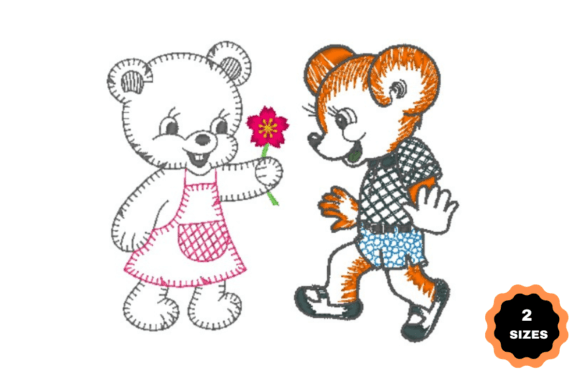
The product description promises an "extraordinary look" for fabrics needing a nice accent, specifically targeting the Teddy Bears category. For those of us running small businesses or Etsy shops, the visual mood of a design is critical. Pretty Bears immediately strikes a chord with its adorable aesthetic. It feels soft, inviting, and perfectly suited for the current trend of cozy, handmade nostalgia. Whether you are decorating a nursery or adding a touch of whimsy to adult apparel, the personality of these stitches suggests a gentle, decorative appeal rather than a bold, graphic statement.
Evaluating Visual Detail and Stitch Personality
When assessing a new machine embroidery design, my first step is to analyze the stitch types visible in the product photos. Pretty Bears appears to utilize a classic combination of techniques. You can expect to see smooth satin stitch borders that define the shapes of the bears, likely paired with soft fill stitch areas to create body and texture. There may also be delicate running stitch elements for facial features or decorative accents. This mix is generally a good sign; it indicates the designer understands how to create dimension without relying solely on heavy block filling.
However, the devil is always in the details. The description mentions the design comes with "multiple embr," which I interpret as multiple sizes or formats. This is crucial for versatility. A design that looks perfect on a large pillow cover might lose all its charm if scaled down for a pocket on a child's shirt. Before committing to a purchase for a client order, I always advise checking the specific file details on the Creative Fabrica embroidery product page. Look for information on the smallest included size. If the tiniest version is still too large for a chest logo or too small to hold detail on a cap, it limits your commercial potential.
Real-World Application Scenarios
Let's imagine you have a stack of orders to fulfill. How does Pretty Bears fit into a real production workflow? Here is how I see this design performing across various products:
- Custom Apparel and Sweatshirts: The soft nature of these bears makes them ideal for sweatshirt embroidery. Imagine a oversized, cozy crewneck with a single bear centered on the chest. The key here is fabric choice; a French terry or fleece will complement the plush look of the design.
- Tote Bags and Aprons: For a tote bag design, these bears could serve as a charming focal point. Because tote bags often carry heavy items, ensure the stitch density isn't so high that it compromises the structural integrity of the canvas or cotton fabric.
- Baby Items and Nursery Decor: This is arguably the strongest use case. Baby blankets, bibs, and pillow covers demand designs that feel safe and gentle. Pretty Bears fits this niche perfectly, offering a high perceived value for personalized gifts.
- Embroidered Patches: If the file includes a tack-down or merrow border option (common in quality packs), these could be stunning as iron-on patches. This allows you to sell the finished product or the patch itself as a separate SKU.
Technical Considerations for Professional Results
While the aesthetic is promising, a professional review must address the technical hurdles. Embroidery is not just about art; it is about engineering thread on fabric.
Fabric Compatibility: One concern with detailed bear designs is how they behave on textured or stretchy fabrics. If you are stitching on a pique polo or a ribbed knit, the fine details of the face might get lost or distorted. Always test on scrap fabric first. Furthermore, if you plan to stitch on dark fabric, pay close attention to the thread colors suggested in the color chart. You may need to manually adjust the sequence to include an underlay or a lighter background fill to prevent the dark fabric from showing through the lighter threads of the bear.
Hoop Size and Placement: The description hints at multiple options, but you must confirm the hoop size requirements. If you are working with a 4x4 hoop machine, ensure the largest version of the design fits without needing a re-hoop, which can lead to alignment issues. For curved surfaces like caps, verify if the design has been digitized specifically for caps. Standard flat designs often puckers when applied to the structured front of a hat.
Durability and Washing: Since many of these items (towels, aprons, baby clothes) will undergo frequent washing, inspect the stitch density. Overly dense designs can cause fabric tearing over time, while sparse designs might snag. A balanced approach is necessary for longevity. Using the proper stabilizer is non-negotiable here; a cut-away stabilizer is often safer for wearable items to maintain shape after repeated laundering.
Impact on Brand Value and Customer Trust
In the world of handmade goods, presentation is everything. Using a high-quality design like Pretty Bears can significantly elevate your brand consistency. When customers see clean, well-defined stitching with no bird nests or puckering, their trust in your craftsmanship skyrockets. This design has the potential to enhance your product photography; the cute factor is highly "instagrammable," which drives customer engagement and social sharing.
For commercial embroidery sellers, the uniqueness of the design matters. If Pretty Bears is a popular download, you might see similar items on the marketplace. To combat this, consider combining the design with custom lettering or unique placement strategies. Create a printable mockup to visualize how the bear looks on different colored garments before you even thread the needle. This helps in creating compelling listings that stand out.
Final Verdict and Practical Advice
Is Pretty Bears worth adding to your library? Based on the visual appeal and the versatility implied by the "multiple" formats, it seems like a strong contender for anyone focusing on baby markets, cozy apparel, or gift items. However, as with any digital embroidery file, due diligence is required.
Before you start stitching for a paid order, take these steps:
- Verify Licensing: Head to the Creative Fabrica product page and read the license terms carefully. Ensure that commercial use is permitted for physical finished goods, especially if you plan to sell on Etsy or at craft fairs.
- Check File Formats: Confirm that the pack includes the specific format your machine requires (PES, DST, EXP, etc.) to avoid conversion errors that can ruin stitch quality.
- Stitch Out a Sample: Never skip the test run. Stitch the design on a similar fabric to your final product. Inspect small details like the eyes and nose to ensure they are crisp and not buried in thread.
- Review Color Contrast: Compare how the design looks on light versus dark mockups. You may need to create custom color variations to suit your inventory.
In conclusion, Pretty Bears offers a delightful opportunity to expand your product line with charming, marketable designs. By approaching it with a critical eye toward technical execution and licensing, you can transform this digital asset into a profitable range of handmade treasures. Happy stitching!