Two Fish Embroidery: A Designer’s Review for Boutique Apparel
As an embroidery designer who spends countless hours digitizing and testing motifs for client collections, I approach every new machine embroidery design with a critical eye. It is not just about whether the design looks cute on a screen; it is about how it translates to fabric, how it holds up after washing, and whether it adds genuine value to a boutique brand. Recently, I explored the Two Fish design available on Creative Fabrica, specifically evaluating its potential for my upcoming line of cozy sweatshirts and casual hoodies. Here is my professional assessment of how this motif performs in real-world apparel production.
First Impressions: Visual Personality and Stitch Mood
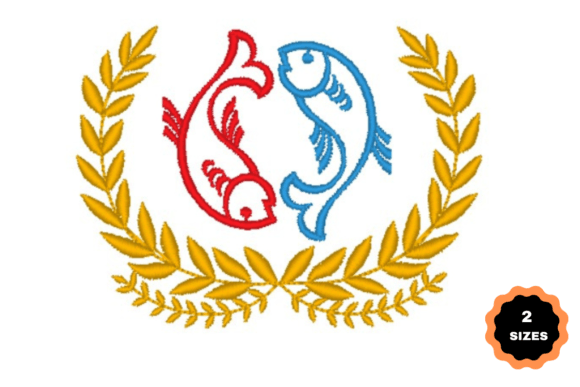
The immediate appeal of Two Fish lies in its balanced aesthetic. It strikes a chord between playful and refined, making it versatile for various target markets. The visual personality is undeniably charming, offering an extraordinary look that can elevate simple fabrics without overwhelming them. For a designer, this "nice accent" quality is crucial. We often struggle to find designs that are detailed enough to look premium but simple enough to stitch quickly and cleanly on textured garments like fleece or French terry.
The stitching mood feels organic and fluid. Fish motifs can sometimes appear rigid if the digitizing lacks flow, but this design suggests a sense of movement. This is vital for sweatshirt embroidery, where stiff, dense designs can crack or feel uncomfortable against the skin. The decorative strength here is moderate; it is bold enough to be seen from a distance on a hoodie chest but delicate enough to work as a subtle sleeve accent. It feels trendy yet classic, avoiding the trap of looking too juvenile for adult apparel or too stark for children’s wear.
Strategic Placement for Sweatshirts and Hoodies
When planning a collection, placement is everything. I tested the concept of Two Fish across several garment types to determine where it shines brightest. For oversized sweatshirts, a centered chest placement works beautifully. The design acts as a focal point without requiring a massive hoop, which keeps production costs lower. On pastel hoodies, the motif pops with a fresh, spring-like energy. However, on dark apparel, such as navy or charcoal grey, the design requires careful thread color selection to ensure visibility and contrast.
I also considered using this as a sleeve accent. Small, repeated motifs on the cuff or upper arm are trending heavily in streetwear-inspired boutique lines. Two Fish has the compact nature needed for these smaller areas. For back designs, it might need to be scaled up significantly, so I would recommend checking the scalability of the embroidery file before committing to large-back prints. On t-shirts, particularly lightweight cotton, the design must be stitched with care to avoid puckering. The key is ensuring the stitch density is appropriate for thinner fabrics, which brings me to technical considerations.
Fabric Compatibility and Technical Considerations
One of the most important aspects of reviewing a digital embroidery file is understanding how it interacts with different fabric textures. Fleece and ribbed fabrics present unique challenges. Fleece has a pile that can swallow small details, while ribbed fabric stretches and distorts stitches. Since the product description notes that this machine embroidery design comes with multiple options, it is essential to verify which version is best suited for stretchy materials.
For dark garments, underlay stitching becomes critical. If you are stitching white or light-colored threads on black hoodies, a proper underlay will prevent the garment color from peeking through the satin stitches. I always advise testing on scrap fabric that matches your actual inventory. Do not skip this step. Check your stabilizer choice carefully; a cut-away stabilizer is usually best for knitwear like hoodies to provide long-term stability, whereas tear-away might suffice for woven tote bags.
Curved surfaces, such as the pocket area of a hoodie or the shoulder seam, require precise hooping. Ensure your hoop size accommodates the design with enough margin for secure clamping. If the design includes tiny lettering or intricate scales, inspect the stitch density closely. High-density areas on stretchy fabric can lead to wrinkling or tunneling. By testing on similar garment fabric beforehand, you can adjust tension and speed to achieve a professional finish.
Enhancing Brand Identity and Product Value
Why choose Two Fish over a generic clipart conversion? Because a well-digitized design contributes directly to brand identity. When customers see clean, consistent stitching, their trust in your handmade product increases. This design helps create visual consistency across a collection. Imagine a line featuring ocean-inspired themes; Two Fish can be paired with other nautical elements to create a cohesive story. This recognition builds customer engagement and encourages repeat purchases.
For Etsy sellers and small shop owners, the visual appeal of the finished product drives sales. High-quality printable mockups and lifestyle product photos featuring this embroidery can significantly boost click-through rates. The design’s adorable nature makes it highly shareable on social media graphics, helping organic reach. Whether you are selling finished apparel or offering custom embroidery services, using a polished design like this elevates your perceived value. It moves your items from "craft project" to "boutique merchandise."
Practical Notes for the Commercial Embroiderer
Before launching any commercial embroidery product, due diligence is required. While the description states the design gives fabrics an extraordinary look, you must confirm the specific technical details. Check the Creative Fabrica product page for the exact file formats included. Ensure they are compatible with your specific embroidery machine brand. Verify the license terms explicitly; most Creative Fabrica licenses allow for physical end products, but confirming this protects your business legally.
Review the thread color contrast in your software before stitching. Sometimes the default colorway in the file does not match your brand palette. Adjusting the colors to match your seasonal collection ensures a professional presentation. Compare placement options by hooping the design on actual garments rather than just flat fabric. This reveals how the design sits on the body and whether it distorts when worn.
- Test on scrap fabric: Always run a test stitch-out to check for thread breaks or nesting.
- Check stabilizer choice: Use cut-away for knits and tear-away for wovens.
- Inspect stitch density: Ensure it is not too dense for lightweight tees.
- Confirm hoop size: Make sure your frame fits the design dimensions comfortably.
- Review licensing: Double-check commercial use rights on the product page.
Final Verdict for Apparel Decorators
In conclusion, Two Fish is a strong contender for spring and summer apparel collections, as well as cozy seasonal outfits. Its versatility allows it to transition from t-shirt embroidery to tote bag design with ease. For the creative entrepreneur, it offers a low-risk, high-reward addition to a catalog. It is not overly complex, which means faster production times, yet it possesses enough character to stand out in a crowded market.
If you are looking to refresh your custom apparel offerings with something that feels both fresh and timeless, this design deserves a spot in your library. Just remember to respect the technical requirements of your chosen fabric. With the right stabilizer, thread, and placement, Two Fish can become a signature element of your brand, delighting customers with its extraordinary look and durable quality. Happy stitching!