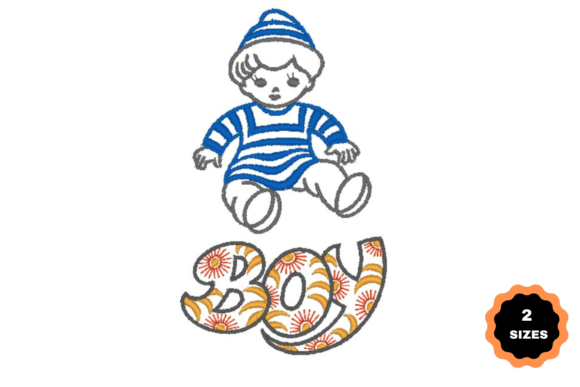
Reviewing Boy: A Seasonal Embroidery Essential
As an embroidery designer who spends countless hours digitizing and testing patterns for seasonal collections, I approach every new machine embroidery design with a critical eye. It is not just about whether the pattern looks good on a screen; it is about how it performs in the real world of holiday sales, gift-giving, and home decor. Recently, I reviewed a design titled Boy, and I want to share my professional perspective on how this piece fits into a modern, seasonal product lineup. For Etsy sellers, handmade gift makers, and small business owners preparing for the upcoming holidays, understanding the potential of this design is key to maximizing your sales.
First Impressions: Mood and Aesthetic Appeal
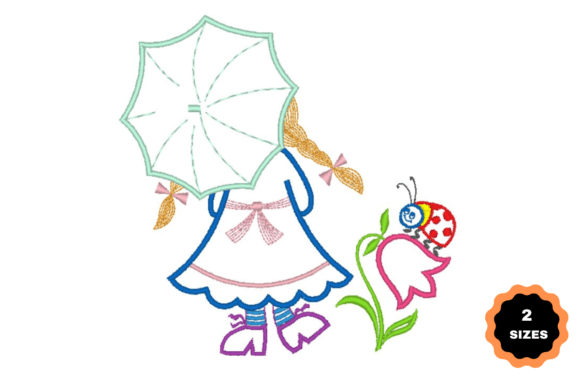
The first thing that strikes me about the Boy design is its versatile emotional tone. In the context of seasonal and holiday product use, we are often looking for designs that evoke feelings of nostalgia, warmth, and playfulness. This particular embroidery file delivers a cozy, approachable aesthetic that feels right at home in a winter collection or a spring celebration. It does not lean too heavily into specific religious iconography, which makes it broadly appealing for general holiday embroidery projects ranging from Christmas to Easter, or even everyday baby showers.
The detail level appears balanced. It is intricate enough to look premium and high-value but not so dense that it becomes stiff or overwhelming on lighter fabrics. This balance is crucial for creating items that feel soft to the touch, such as baby blankets or lightweight apparel. The decorative style suggests a blend of modern simplicity with classic charm, making it suitable for both rustic farmhouse decor and contemporary minimalist nurseries.
Strategic Product Placement for Holiday Sales
When building a seasonal shop collection, variety is essential. The Boy design shines when applied to a diverse range of substrates. Here is how I envision this design performing in real selling situations:
- Sweatshirt Embroidery: This is perhaps the most lucrative application. A well-placed design on a high-quality hoodie or crewneck sweatshirt creates an instant bestseller for family matching sets. The design’s scale seems appropriate for left-chest placement or a larger back print, depending on the hoop size you choose.
- Tote Bag Design: Canvas totes are staples for holiday gift markets. Stitching this design onto a natural cotton tote adds a personalized touch that elevates a simple bag into a thoughtful handmade gift.
- Kitchen Towel Embroidery: During the holidays, kitchen linens see a surge in demand. This design could work beautifully on flour sack towels, adding a whimsical accent to holiday baking kits or hostess gifts.
- Pillow Cover and Home Decor: For home decorators, applying this motif to throw pillow covers can refresh a living space for the season. It pairs well with neutral tones, allowing the thread colors to pop.
- Embroidered Patch: If the design allows for clean satins and tight borders, consider creating iron-on patches. These are excellent for upselling at craft fairs or adding to denim jackets and backpacks.
For small shop product lines, consistency is key. Using the same Boy motif across different items—such as aprons, table linens, and ornaments—creates a cohesive brand story. Customers love seeing a design they admire on one item available in complementary products, which encourages bundle purchases.
Navigating Technical Challenges and Fabric Choices
While the artistic appeal is strong, practical execution requires attention to detail. As a designer, I must advise caution in certain areas to ensure the finished product meets professional standards.
Fabric Texture and Stabilizer: The success of any machine embroidery relies heavily on the interaction between the thread, the fabric, and the stabilizer. For thick towels or plush fleece, you must ensure your stitch density is optimized. If the design is too dense, it may cause puckering or make the fabric stiff. Always test on scrap pieces of your actual inventory fabric. Use a cut-away stabilizer for stretchy garments like sweatshirts to prevent distortion after washing, and a tear-away for stable woven fabrics like linen or cotton canvas.
Thread Colors and Contrast: The description notes that this adorable embroidery gives fabrics an extraordinary look, but this depends heavily on your color choices. On dark fabrics, ensure you use high-contrast thread colors to maintain visibility. Metallic threads can add a festive sparkle for holiday editions, but they require slower stitching speeds and careful tension adjustments to prevent breakage. I recommend creating a printable mockup or digital preview showing the design in various colorways to help customers visualize the options.
Hoop Size Considerations: The product description mentions that the design comes with multiple sizes, which is a significant advantage. However, always confirm the exact hoop size requirements before purchasing or stitching. If you are working with small items like baby socks or ornament covers, ensure the smallest version of the design retains its clarity. Tiny details can get lost if the design is scaled down too far without adjusting stitch counts.
Enhancing Buyer Emotion and Brand Trust
In the competitive landscape of commercial embroidery, emotional connection drives sales. The Boy design taps into the sentimentality of childhood and family. When customers see this design on a personalized gift, they are not just buying a stitched image; they are buying a memory or a gesture of love. This emotional resonance increases the perceived value of the item, allowing you to price your products competitively while maintaining healthy margins.
Furthermore, consistent quality builds trust. By thoroughly testing the digital embroidery file for jump stitches, thread breaks, and alignment issues, you ensure that every item you ship represents your brand’s best work. High-quality stitching leads to positive reviews, repeat customers, and word-of-mouth referrals, which are vital for long-term success on platforms like Etsy.
Practical Designer Notes for Implementation
Before adding Boy to your seasonal lineup, follow these steps:
- Test Stitch Out: Always run a test stitch on the actual fabric you intend to sell. Check for registration issues and trim any loose jumps.
- Verify Licensing: Confirm the commercial licensing terms provided with the file. Ensure you are compliant with any restrictions on mass production or digital redistribution.
- Create Realistic Mockups: Use high-quality photos of your stitched samples to create social media previews. Show the texture of the threads and the drape of the fabric.
- Plan Color Palettes: Develop three to five standard color combinations that match current seasonal trends. Offer these as standard options to streamline your production process.
- Check Small Details: Inspect the smallest elements of the design after stitching. If fine lines are merging, you may need to adjust the underlay or reduce density in your editing software.
In conclusion, the Boy embroidery design offers a charming and versatile option for creators looking to expand their seasonal embroidery offerings. With careful attention to technical details and strategic product placement, this design can become a standout element in your holiday collection, delighting customers and boosting your shop’s visibility.