Little Miss Lucky Charm: A Designer’s Review
As an embroidery designer who spends months planning collections before the first leaf turns or snow falls, I approach every new machine embroidery design with a critical eye. It is not just about whether the stitches look clean; it is about whether the design sells. When I loaded the Little Miss Lucky Charm file into my software, my immediate goal was to determine if it had the versatility and charm required for a successful seasonal drop. For Etsy sellers, small shop owners, and apparel decorators, the difference between a design that sits idle and one that flies off the virtual shelves often comes down to emotional resonance and practical application.
First Impressions: Capturing the Seasonal Spirit
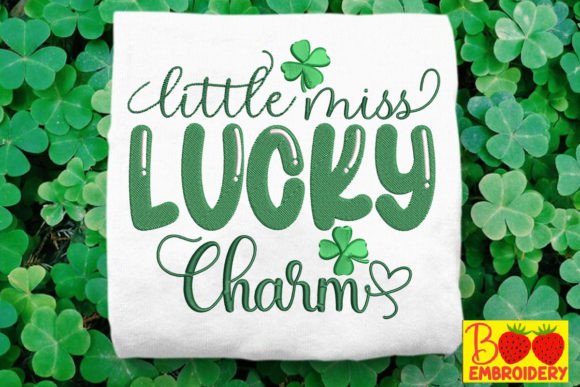
The first thing that strikes you about Little Miss Lucky Charm is its playful yet polished aesthetic. In the world of St Patrick S Day motifs, we often see an overreliance on generic shamrocks or overly complex leprechaun faces that can be difficult to stitch cleanly on textured fabrics. This design, however, strikes a balance. It feels festive and cute without being cluttered. The emotional tone is lighthearted and whimsical, making it perfect for a wide demographic ranging from toddlers to adults who appreciate a touch of nostalgia.
From a technical standpoint, the detail level appears well-managed. It avoids the trap of excessive micro-stitching that can lead to thread breaks or fabric puckering. Instead, it offers bold, recognizable shapes that translate well across various mediums. Whether you are aiming for a rustic farmhouse vibe or a modern, clean look, this embroidery file adapts surprisingly well. It does not scream "cheap novelty"; rather, it suggests a thoughtful, handmade quality that buyers are willing to pay a premium for.
Real-World Applications for Holiday Selling
When building a seasonal shop collection, versatility is key. You do not want a design that only works on one type of garment. I tested the potential of Little Miss Lucky Charm across several product categories, and the results were promising for any Etsy seller looking to maximize their inventory.
- Sweatshirt Embroidery: This is perhaps the strongest use case. The design scales beautifully on the chest of a crewneck or hoodie. It serves as a standout personalized gift option when paired with a name or date below the main motif.
- Kitchen Towel Embroidery: Home decor is a massive market during holiday seasons. Stitching this onto linen or cotton tea towels creates an instant bestseller. The design’s simplicity ensures it remains legible even on the looped texture of terry cloth.
- Tote Bag Design: Canvas bags are staples for spring markets. Placing Little Miss Lucky Charm centrally on a natural canvas tote creates a chic, eco-friendly accessory that appeals to shoppers looking for reusable, festive items.
- Embroidered Patch: For those who sell accessories, this design is ideal for iron-on or sew-on patches. It allows customers to add a touch of holiday embroidery to denim jackets, backpacks, or hats without committing to a permanent garment alteration.
- Pillow Cover: A small accent pillow featuring this design can refresh a living room for the season. It works particularly well on solid-colored covers where the thread colors can pop against the background.
Beyond individual items, think about bundles. A matching set of aprons and kitchen towels featuring Little Miss Lucky Charm makes for an excellent housewarming or hostess gift. These bundled offerings increase your average order value and provide a cohesive look for your small shop product listings.
Navigating Technical Challenges and Fabric Textures
While the design is robust, no digital embroidery file is immune to poor execution. As a professional, I must highlight where caution is needed. The success of your finished product depends heavily on your understanding of stitch density and fabric interaction.
When working with thick towels or plush fleece, ensure you are using a cut-away stabilizer to prevent the design from sinking into the pile. If you are stitching on stretchy garments like performance tees or baby onesies, a hoop-and-stick method might yield better results than traditional hooping to avoid distortion. Additionally, be mindful of hoop size limitations. If you are scaling the design down for a pocket placement or a curved cap, verify that the smaller text elements remain legible. Tiny lettering can easily become a blob of thread if reduced too far.
Color selection is another critical factor. While the default thread colors in the preview may look vibrant, always test on both light and dark fabrics. On dark navy or black garments, you may need to adjust the underlay or add a satin border to ensure the design stands out. Metallic threads can add a magical touch to the "charm" aspect of the design, but they require slower machine speeds and careful tension adjustments to prevent breakage.
Boosting Brand Consistency and Buyer Emotion
In the crowded marketplace of seasonal embroidery, brand consistency builds trust. Using a high-quality design like Little Miss Lucky Charm signals to your customers that you care about detail. It enhances visual recognition because the design is distinct enough to be memorable but classic enough to fit various branding styles.
To leverage this, create realistic mockups for your online listings. A printable mockup or a high-resolution photo of the actual stitched item on a model helps buyers visualize the scale and texture. Social media previews showing the stitching process can also drive engagement, as viewers love seeing the transformation from digital file to tangible art. This transparency builds customer trust and highlights the value of your commercial embroidery work.
Practical Designer Notes for Success
Before you list your products, take these final steps to ensure quality:
- Test Stitch Out: Always run a test on the actual fabric you plan to sell. Check for pull compensation and thread breaks.
- Verify Licensing: Confirm the commercial licensing terms provided with the embroidery file. Ensure you are compliant with usage rights for mass production or limited runs.
- Check File Formats: The product description mentions it is a high-quality design, but it does not specify exact formats. Ensure you have the correct file type for your machine (such as PES, DST, or JEF) before purchasing or downloading.
- Plan Color Palettes: Create variations. Offer the design in traditional green and gold, but also consider pastel springs tones or monochrome options for a more subtle, elegant look.
In conclusion, Little Miss Lucky Charm is a strong contender for your upcoming holiday lineup. It balances aesthetic appeal with technical feasibility, making it a reliable choice for creating handmade gifts that resonate with buyers. By paying attention to fabric texture, stabilizer choice, and presentation, you can turn this single design into a cornerstone of your seasonal success.