Elephant on the Wind Carpet: A Crafter's Review
As I prepare my booth for the upcoming weekend craft fair, my table is covered in potential bestsellers: canvas tote bags, linen aprons, textured tea towels, and an array of small pouches. In the world of handmade product creation, the difference between a browser and a buyer often comes down to one thing: visual impact. Today, I am putting the Elephant on the Wind Carpet under the microscope. This isn't just about digitizing a file; it is about determining if this specific machine embroidery design has the legs to carry a entire product line for a busy Etsy seller or a boutique maker.
First Impressions and Market Mood
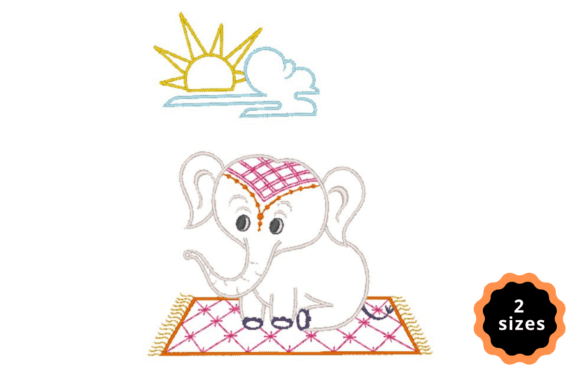
The title itself, Elephant on the Wind Carpet, evokes a sense of whimsy and movement. When I pull up the preview on my screen, the immediate feeling is one of soft elegance mixed with a touch of rustic charm. It does not scream "modern minimal" nor does it feel overly "farmhouse" in the traditional shiplap sense. Instead, it lands comfortably in the "storybook" category. For a craft fair product, this is a sweet spot. Customers at handmade markets are often looking for items that tell a story or evoke a feeling of nostalgia.
The description notes that this adorable embroidery gives fabrics an extraordinary look, acting as a nice accent. This suggests versatility. It is not necessarily a massive, heavy focal point that dominates a whole garment, but rather a sophisticated detail that elevates a simple item. In the Wild Animals category, elephants are perennially popular, appealing to children, animal lovers, and those who appreciate symbols of wisdom and strength. However, the "Wind Carpet" element adds a layer of fantasy that separates it from standard wildlife Embroidery.
Product Application and Sales Potential
When evaluating where Elephant on the Wind Carpet shines, I immediately think of home goods and wearable accessories. Here is how I see this design performing across different mediums:
- Tote Bag Design: Canvas totes are the bread and butter of any craft fair. Placing this design slightly off-center on a natural cotton tote creates an instant "boho-chic" vibe. The contrast of the thread against the raw fabric texture makes the details pop.
- Apron Embroidery: A linen apron featuring this elephant would be a hit in the kitchenware section. It transforms a utilitarian object into a piece of art, perfect for the home cook who loves whimsy.
- Tea Towel Embroidery: Because the design is described as an accent, it works beautifully on the corner of a flour sack towel. These are low-cost, high-volume small shop product staples that move quickly at markets.
- Embroidered Patch: If the stitch count allows, creating iron-on patches is a fantastic way to sell this design to customers who want to customize their own denim jackets or backpacks.
- Pillow Covers and Pouches: For higher-ticket items like zippered pouches or decorative pillow covers, this design adds perceived value. It feels premium and thoughtful.
For online listings, the key is photography. This design needs a printable mockup or a real-life photo that captures the texture of the stitches. Flat lays on wooden backgrounds or styled shots with dried flowers would enhance the "wind" and "nature" aspects of the theme.
Production Realities and Technical Considerations
Before running a batch of fifty aprons, every professional knows the importance of a test run. While the description mentions the design comes with multiple options (implied by "comes with mult"), it does not specify exact stitch counts, file formats, or hoop sizes. As a responsible designer, you must check these details in the digital embroidery file documentation before production begins.
Here are the critical technical factors to consider for Elephant on the Wind Carpet:
- Stitch Density and Fabric Texture: Whimsical designs often rely on fine lines to convey movement. If the stitch density is too high on a thick fabric like a terry cloth towel, the design may pucker or lose definition. Conversely, on a thin poly-cotton blend, low density might show the backing. Always test on scrap fabric identical to your final product.
- Thread Colors and Contrast: The magic of this design likely lies in its color palette. Ensure your thread colors provide enough contrast against the base fabric. A dark grey elephant on a black tote bag will vanish. Stick to light or medium bases for maximum visibility.
- Curved Surfaces: If you plan to put this on caps, be wary. The "carpet" element implies a flat or flowing surface. Embroidering complex, flowing designs on the curved front panel of a cap can distort the image. It is often safer to stick to flat goods like bags and towels for this specific motif.
- Small Details: Check for tiny lettering or minute details in the trunk or ears. These can get lost if the design is resized too small. Ensure the hoop size you select allows the design to breathe without cramming it into a 4x4 area if it was meant for a 5x7.
- Stabilizer Selection: To maintain the integrity of the "extraordinary look," use the right stabilizer. A cut-away stabilizer is usually best for wearables to prevent shifting over time, while tear-away might suffice for decorative wall hangings.
Maximizing Visual Appeal and Brand Consistency
In a crowded marketplace, Elephant on the Wind Carpet serves as a strong anchor for brand consistency. If your brand focuses on gentle, nature-inspired, or storybook aesthetics, this design fits perfectly. It signals to the customer that you care about quality and narrative. A well-executed finished product with clean stitching and no pull-outs speaks volumes about your skill level.
Customer attention is often grabbed by movement. The implied motion of the "wind" in the design draws the eye across the product. This engagement can lead to longer dwell times at your booth or on your website. When a customer stops to admire the flow of the carpet or the expression of the elephant, they are already mentally owning the item.
Furthermore, for those involved in commercial embroidery or selling design assets, understanding the licensing terms is non-negotiable. Since the prompt advises checking license terms, ensure you have the rights to sell physical goods made with this file. Some designers allow unlimited physical sales, while others restrict the number of items or require an upgraded license for commercial embroidery use.
Final Verdict for the Craft Entrepreneur
The Elephant on the Wind Carpet is a versatile contender for your next collection. Its strength lies in its ability to act as a charming accent that elevates simple textiles into giftable treasures. Whether you are an Etsy seller looking to refresh your shop banner images with new printable mockups, or a vendor setting up a tent at a local fair, this design offers a blend of cuteness and sophistication.
Remember, the success of this machine embroidery design depends on your execution. Take the time to create at least one real mockup. Compare how it looks on cream linen versus navy canvas. Inspect the back of your hoops for neatness. By treating this file with the respect of a premium asset, you ensure that every tote bag design, apron, or pillow cover you produce becomes a testament to your craftsmanship. In the end, it is these thoughtful touches that turn a casual observer into a loyal customer.